
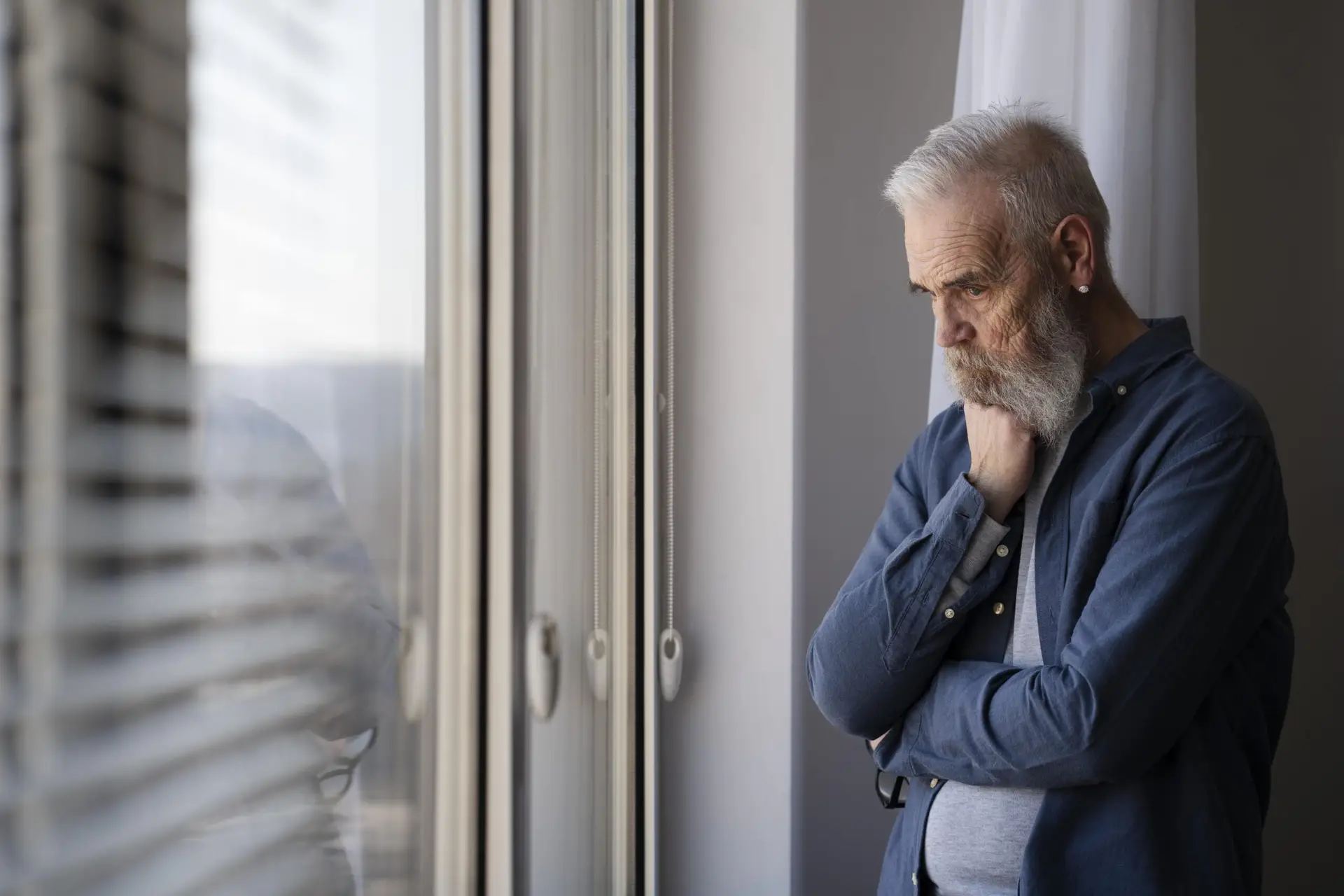
Most senior people want to stay in their own homes for as long as they can, and families want to help them do that. But sometimes living alone isn’t safe because of daily tasks, safety concerns, or changes in health.
Seeing the signs that an older person needs help at home early can keep them from getting hurt, lower their stress, and make sure they get help before a crisis happens.
Here are the most common signs that something is wrong and what they might mean.
1. Decline in Personal Hygiene and Self-Care
A noticeable drop in personal care is one of the first signs that an older person is having trouble.
Common red flags include:
- Wearing the same clothes for more than one day in a row, having body odour, or not washing your hair
- Hard to bathe or groom
- Messy look
These signs often mean that you have trouble moving around, low energy, are afraid of falling in the toilet, or are starting to lose your mind. Personalised home care can help older people stay clean and safe.
2. Changes in Eating Habits or Weight
Nutrition is very important for the health of older people. It’s a big deal when an older person starts missing meals or losing weight.
Look for:
- Food that has gone bad or an empty fridge
- Not making meals
- Weight loss that is easy to see
- Only eating snacks or takeaway
Some older people have trouble cooking because they have arthritis, are tired, or don’t know how to follow the steps. Getting help with meals, groceries, or reminders about meals can be very helpful.
3. Increased Forgetfulness or Confusion
It’s normal for memory to fade with age, but if you forget things all the time, it could mean your brain is getting worse.
Warning signs include:
- Not remembering to take your medicine
- Not showing up for appointments
- Getting lost in places you know well
- Asking the same questions over and over
- Not understanding what people are saying
These signs could mean early dementia or that the older person just needs some structured help. A carer can help with reminders, routines, and watching over someone.
4. Fall Risks or Frequent Physical Accidents
One of the most dangerous things for older people who live alone is falling. They can put you in the hospital, take a long time to heal, and make you lose your independence for good.
Watch for signs such as:
- Injuries that don’t make sense or bruises
- Hard to get out of bed or a chair
- Walking or shuffling that isn’t steady
- Moving while holding on to walls or furniture
- Fear of going for a walk
If moving around becomes dangerous, a carer can help keep things safe at home and put in place measures to stop falls.
5. Household Neglect or Clutter Buildup
If a senior’s home is clearly messy or cluttered, it could mean they are feeling overwhelmed.
Signs include:
- A lot of dirty dishes stacked up
- Trash cans that are full
- Laundry that hasn’t been washed
- Dust, spills, or just a mess
- Unpaid bills or a lot of mail
This happens a lot when older people don’t have the energy or ability to do their chores. Light housekeeping help can make you feel safe and comfortable again.
6. Withdrawing From Social Activities
Loneliness isn’t just an emotional problem; it can also hurt your health. If older adults stop doing things they enjoy or avoid socialising, there may be something else going on.
Signs of social withdrawal:
- Not going to see family
- Not doing things you like to do
- Being alone for long periods of time
- Acting depressed or anxious
A carer can be a friend, offer emotional support, and help seniors get back into activities that are important to them.
7. Medication Mismanagement
Many seniors take more than one medicine every day. Not taking your medicine on time or taking it the wrong way can cause major health problems.
Look for:
- Pill bottles that haven’t been opened
- Taking too much or too little, not knowing when to take it, or not picking up refills
Reminders to take medicine or help from a nurse who comes to your home can keep you from making dangerous mistakes.
8. Difficulty Managing Finances or Important Tasks
If bills aren’t paid or paperwork starts to pile up, it might be time to step in.
Signs include:
- Notices that are late or bills that haven’t been paid
- Fees for going overdrawn
- People are confused about money, and scams are happening more often.
- Hard time keeping track of paperwork
Managing money can be hard for seniors who used to do it well, especially if they are stressed out or their brains are getting worse.
Frequently Asked Questions (FAQs)
1. What are the top signs a senior can’t live alone safely?
Poor hygiene, falling a lot, forgetting to take medications, living in a messy space, having trouble remembering things, and changes in eating habits are some of the biggest signs.
2. When should families consider home care?
When daily tasks get too hard, safety becomes a concern, or seniors feel lonely, overwhelmed, or anxious living alone, home care is a good idea.
3. What should I do if I notice just one or two warning signs?
Even small changes can mean that things are getting worse. Talk to someone first, and then think about getting a home care assessment to find out what help you need.
4. Can home care help seniors stay independent longer?
Yes. Home care gives older people personalised help that lets them stay safe, comfortable, and independent in their own homes for as long as possible.